
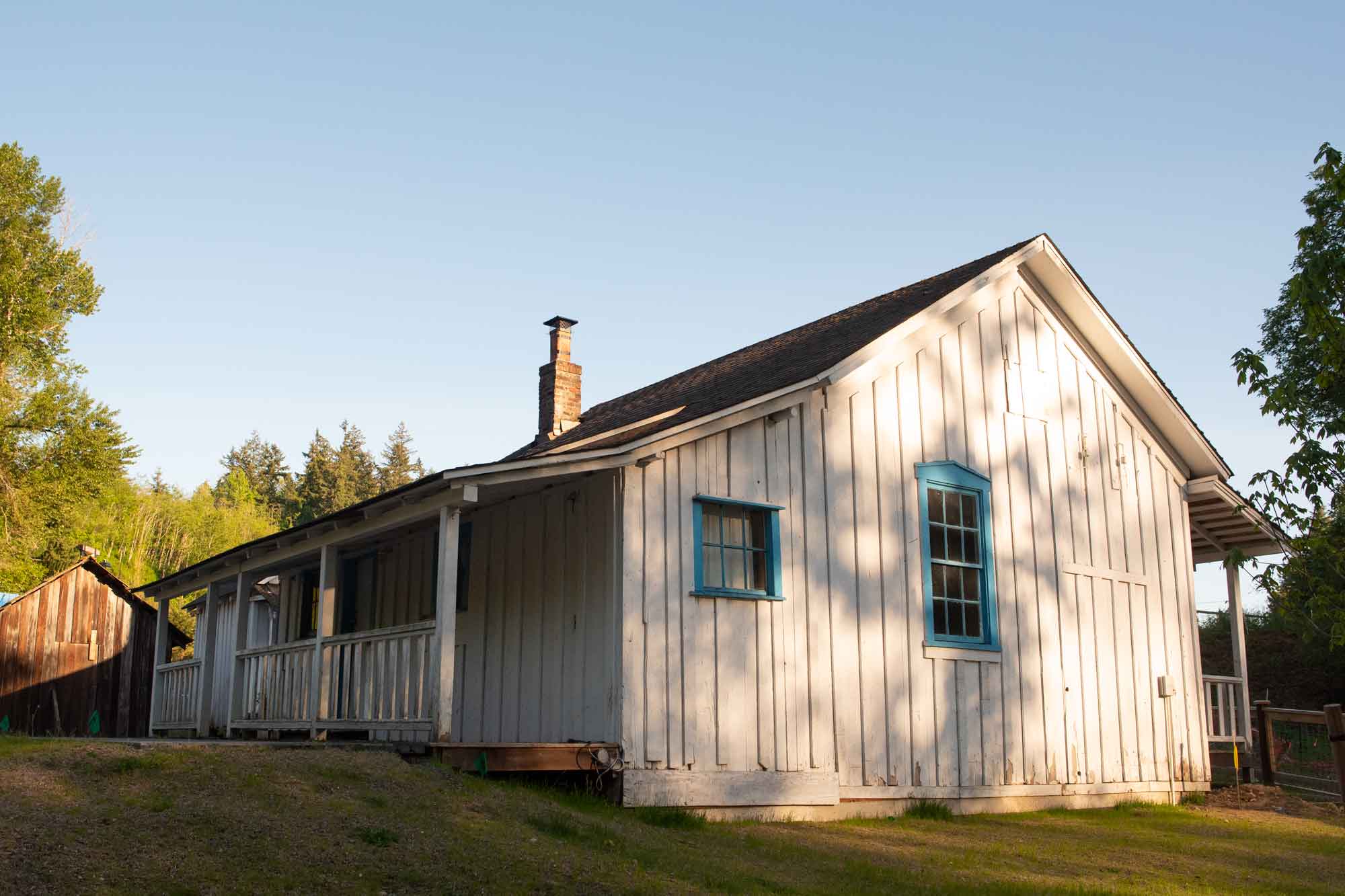




Early Beginnings
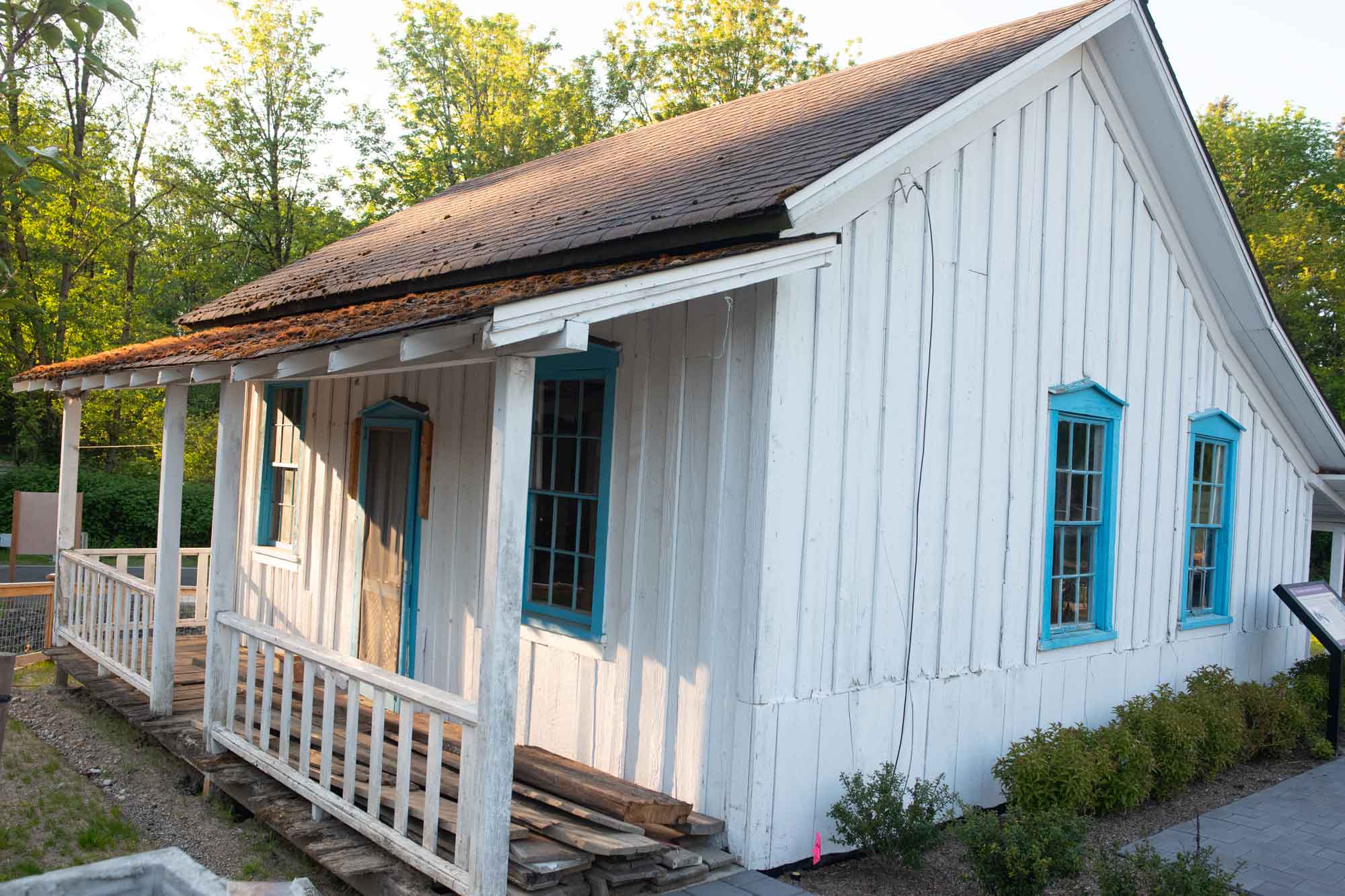
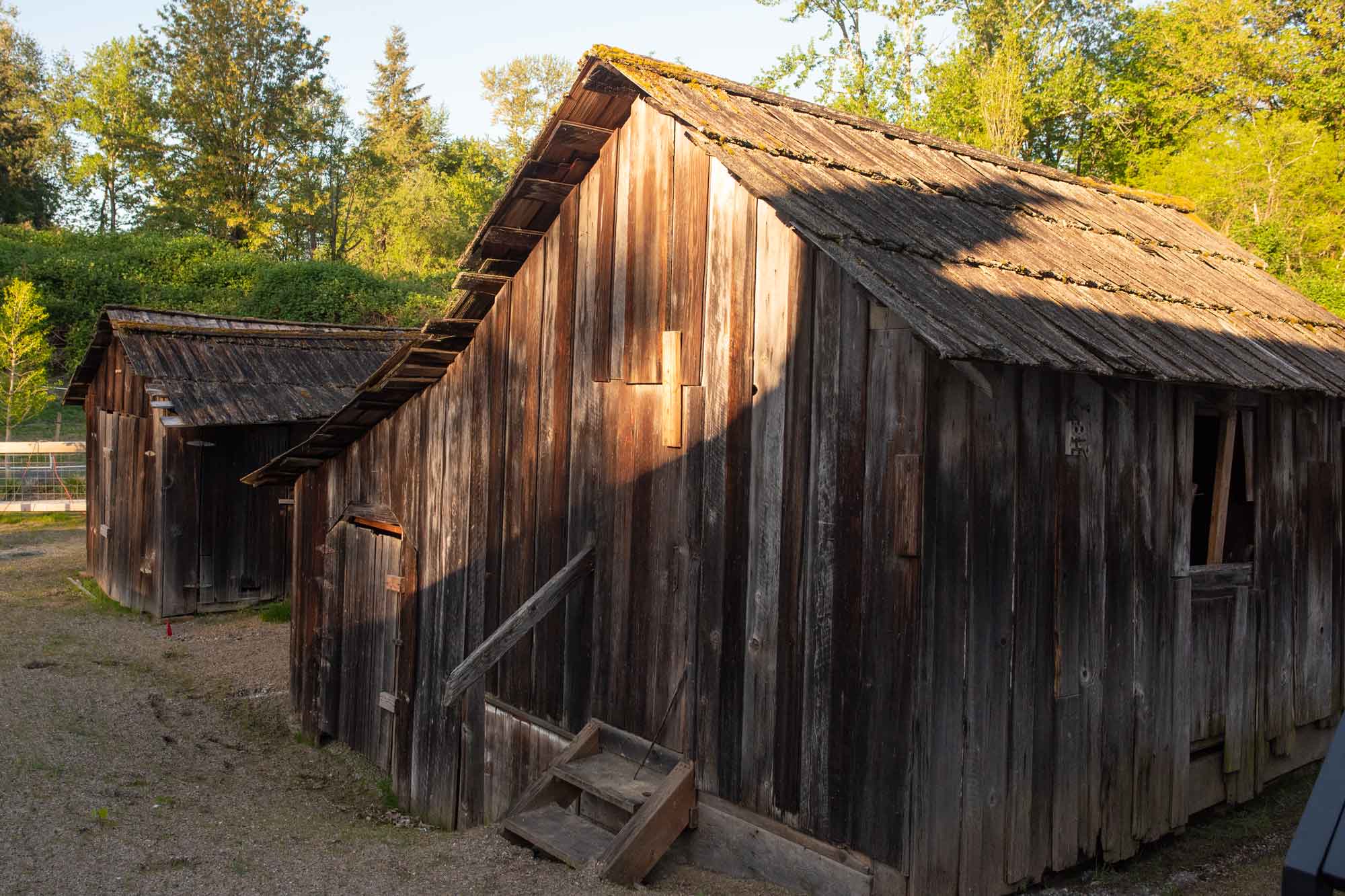
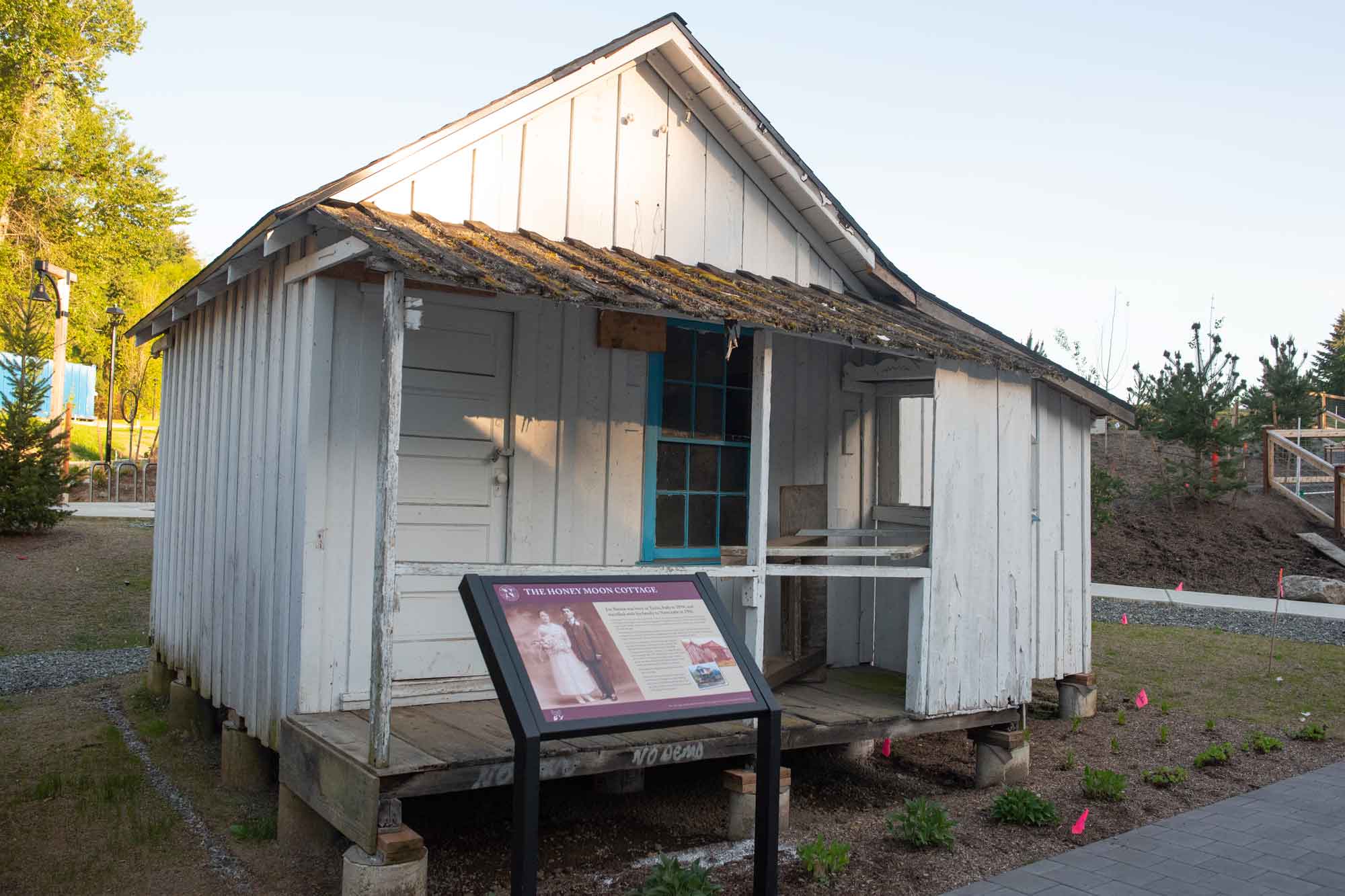
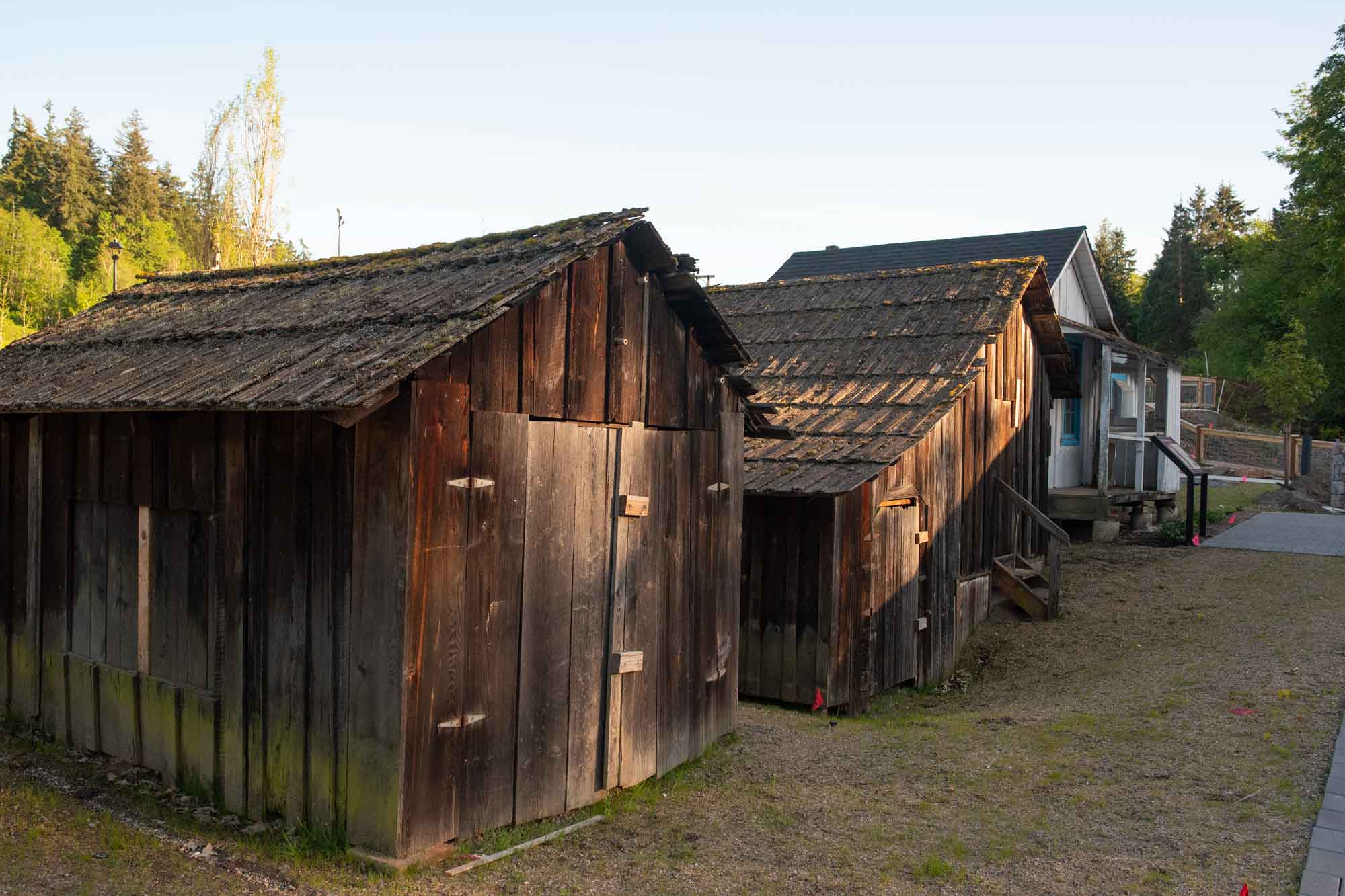
Today, Newcastle, Washington, is known for its natural beauty and strong community, but its roots lie in coal mining. In 1869, a small farming village rapidly grew into a busy mining town that helped fuel Seattle’s early development. At one point, Newcastle even had a larger population than Seattle, with hundreds of homes, a lively town center, and extensive mining facilities.
A Regional Coal Powerhouse
Newcastle’s location made it a key player in the Pacific Northwest coal industry. A railway from Seattle ended near what is now Coal Creek Parkway, where coal was washed, sorted, and loaded for transport. In the early 1870s, the town produced 75 – 100 tons of coal each day. Much of that coal was shipped to California, especially San Francisco, where it supported the region’s rapid economic growth.
A Century of Coal
For nearly a century, coal mining shaped Newcastle’s economy and identity. When the Pacific Coast Coal Company left in 1929, many coal-dependent towns disappeared. But mining in Newcastle continued until 1963, ultimately producing more than 11 million tons of coal. Although few physical traces remain today, the city’s mining past is still reflected in local place names, the historic cemetery, and wooded trails that once served as mining routes.
Preserving the Story
The community continues to honor and document its history. The Newcastle Historical Society plays a key role in preserving the city’s mining heritage. Its 2020 publication, The Coals of Newcastle, A Hundred Years of Hidden History, explores the lives of miners, the region’s geology, and the contributions of diverse workers, including Chinese and Black laborers, who were essential to the industry’s success.
Becoming the City of Newcastle
As mining declined, the area transitioned into the residential community known today. On September 30, 1994, the area incorporated under the name Newport Hills. But because Bellevue had recently annexed a neighborhood with a similar name, voters selected “Newcastle” in the November election. The new name honored the city’s heritage and strengthened its identity for the future.